
Boynton Beach Address Eras
A search for Boynton Beach previous residents works best when the source matches the period. The Property Appraiser identifies the present parcel and owner. Recorded transfers connect earlier owners, while the city archive, census, newspapers, permits, and corporate files identify other people linked to the address. Ownership and occupancy are separate facts. A deed or tax mailing address must never be treated as a complete household list.
| Source | Local Coverage | Keeper | Evidence Found |
|---|---|---|---|
| Clerk deed images | 1968 to present | Landmark Official Records | Grantor, grantee, legal description, recording |
| Plats and right-of-way maps | Late 1800s to present | Palm Beach County Clerk | Subdivision, lot, block, street continuity |
| City directories | Verified digital run, 1958 to 1975 | Boynton Beach archive | Names, businesses, and addresses |
| Public census | 1900 to 1950 | NARA and libraries | Households at enumeration addresses |
| City and permit files | 1920 to present | City archive and permit systems | Construction, applicants, contractors, inspections |
| Named newspapers | Title-specific, 1912 to 1987 | Boynton Beach archive | Moves, deaths, clubs, businesses, events |
A parcel control number, subdivision, lot, block, or full legal description can survive a street-number change. Once that identity is sound, names can be tested across time. A permit dates work, not the household. A directory suggests presence during an issue year, while a census records a household on its enumeration date.
Start Boynton Beach Previous Residents
Enter the address in PAPA advanced property search. Record the exact situs address, owner, parcel control number, municipality, subdivision, legal description, and deed book and page. Situs means the physical parcel address. The mailing field is where the tax notice goes, and it may belong to an owner who lives elsewhere.
Confirm the municipal field before following permits. A postal Boynton Beach label does not always match city jurisdiction. The fixed legal description keeps that mismatch from breaking the backward trail.
Walk Palm Beach Deeds Backward
The Landmark Official Records index is the main tool for past owners. Open the acquisition deed shown by PAPA. The buyer is the grantee and the seller is the grantor. Search that seller as an earlier grantee, then keep only a match whose parcel or legal description fits the same land.
- Copy the owner, PCN, book and page, and legal description from PAPA.
- Open the present owner's purchase deed.
- Identify the grantor, then search that name as an earlier grantee.
- Match the legal description and repeat the seller-to-buyer step.
- At the image cutoff, continue through Clerk microfilm and deed books.
- Grantor and grantee
- The grantor transfers an interest; the grantee receives it.
- Chain of title
- The linked sequence of recorded transfers for one property.
- Legal description
- The formal land identity that remains useful when a street label changes.
A result may show party roles, document type, record date, instrument number, book and page, consideration, parcel ID, image status, and legal description. A verified result bears V. A provisional I generally changes after verification within three business days.
View Boynton Beach Deed Searches
The Clerk screen shows the search modes that keep a Boynton Beach previous residents inquiry tied to one parcel. Open Landmark Official Records before comparing the captured interface.
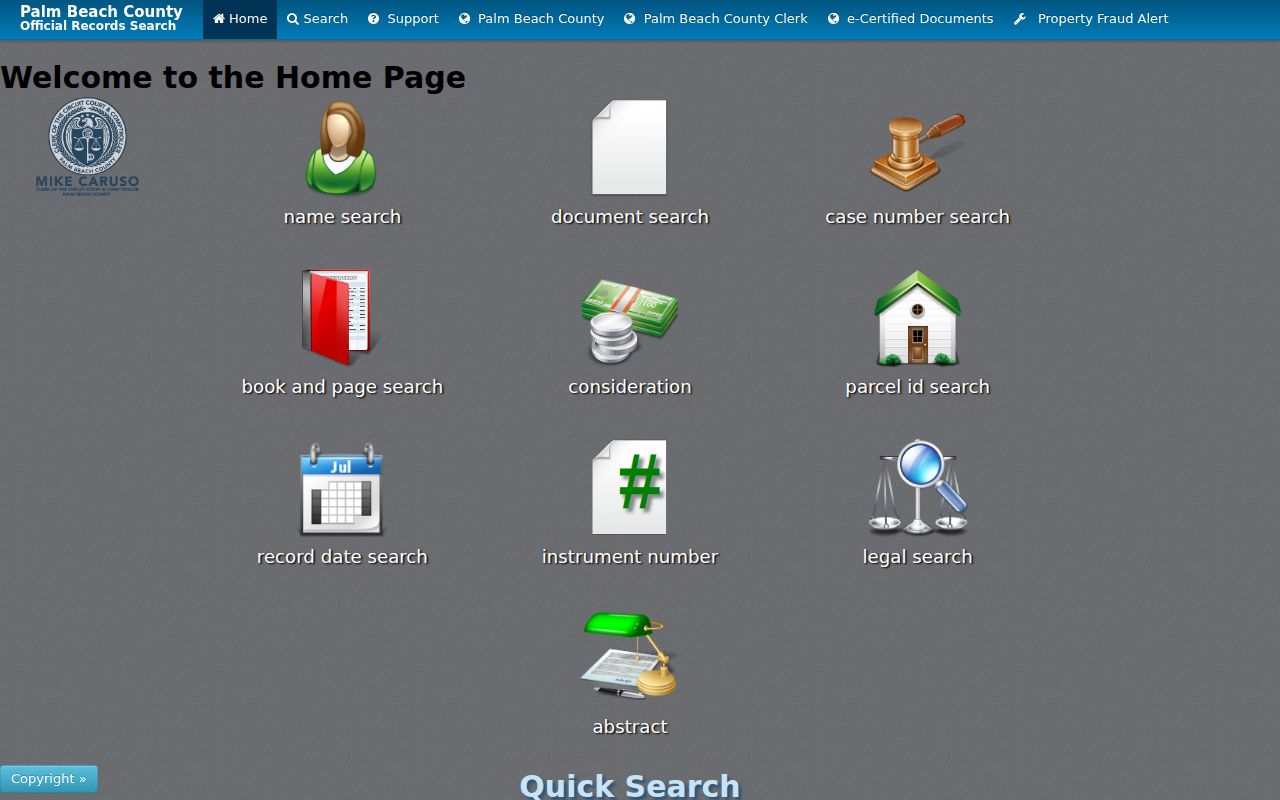
Name, document, book/page, parcel, date, instrument, and legal modes give several paths to a transfer. Cross-check two fields to avoid attaching a same-name owner to the wrong house.
Cross Boynton Beach's 1968 Divide
Free publishable deed images generally begin January 1, 1968. An older reference or a hit without an image is not a dead end. Call the Clerk at 561-355-2932 with the full name or legal description and year. Mail requests go to PO Box 4526, West Palm Beach, FL 33402-4526, with the exact name, requester details, a self-addressed stamped envelope, and the fee.
In person, use the Records Service Center at 205 N Dixie Highway, Room 4.2500. Its microfilm can supply a document absent from the web. ORWEB@mypalmbeachclerk.com accepts copy requests. Documented charges include $1 per page through legal size, $2 certification per instrument, and $2 per searched year for each name or legal description.
Index first. Save the instrument, book/page, party spelling, date, and legal description before requesting a paper or microfilm copy.
Pair Boynton Beach Directory Years
Deeds name owners, but previous residents include people who did not own the home. The Boynton Beach digital archive identifies city directories from 1958 through 1975. Search a year and address, copy each name exactly, then compare the next issue. The collection itself is treated on the Boynton Beach city directory page; here it bridges one house history.
- Search the directory by surname, address, and likely year.
- Record names, work details, spouse information, and address spelling.
- Compare nearby issues for an arrival, departure, or changed listing.
- Pair public 1900 through 1950 census years with newspapers near each decade.
- Use deeds to separate an owner transfer from a household move.
An absent name proves little. The volume may omit the area, an adult may be unlisted, or the home may appear under an older place name.
Boynton Beach Names Changed
The settlement's 1900 census is indexed under Dade County, Fort Lauderdale Precinct 6. Palm Beach County formed in 1909, and the town incorporated in 1920. A 1931 split, the 1938 Ocean Ridge name, and adoption of City of Boynton Beach in 1941 can scatter one household among headings that now look unrelated.
Follow the subdivision and lot or block, not just the modern city name. City corporate files begin in 1920. Older plats and right-of-way maps reach into the late 1800s. No authoritative citywide street-renumbering year was found, so verify number changes property by property.
Boynton Beach Permits Mark Change
Permits date construction, not occupancy. Current and open work uses Click2Gov. Older closed files, especially before the May 2021 system split, follow the city's legacy permit routing into Laserfiche by street or address.
Compare permit dates with deeds, directory appearances, and historical aerials. A new addition may explain a changed footprint. An applicant or contractor is not automatically a past resident, so keep physical evidence separate from occupant evidence.
Boynton Beach Voter Address Clues
The public statewide extract can add dated address evidence, but it is not Florida's personal status lookup. Review the Florida voter extract procedure before comparing the captured instructions.
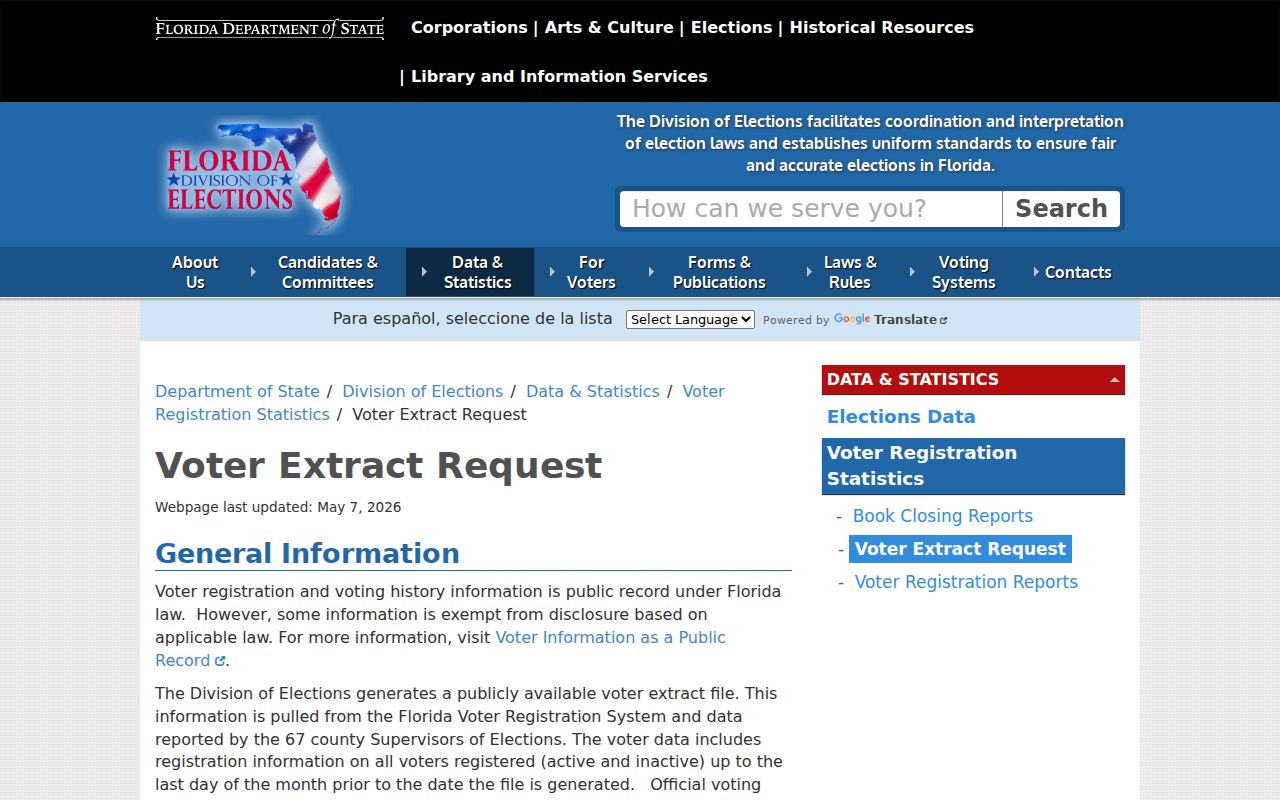
The monthly file contains active and inactive voters through the prior month. Request it at least 24 hours before availability. It arrives on disk by mail or pickup, not by email or download. Protected entries are excluded or redacted, so absence does not disprove residence.
Archive Boynton Beach Past Residents
Historical Society collection A0059 preserves 26 boxes of membership lists, charter-member cards, pioneer-family research, recollections, obituaries, funeral programs, photos, scrapbooks, and a 1928 hurricane letter. It is supervised archival research, not a current roster. The Local History Archive at 100 E Ocean Avenue is appointment-based on weekdays during library hours.
Named newspapers can reveal a move, death, club role, business, or family event. Probate and obituaries often close the trail when a person leaves the directory. The Palm Beach County Library genealogy service also accepts free requests with a first name, last name, email, and consent.
Archive A0008 adds a different layer. Its city files begin in 1920 and include fire applications and resignations from 1926 through 1932, fire attendance from 1939 through 1944, a 1959 employee and salary list, a 1952 Directory and Fishing Guide, service directories, and a 1972 employee roster. These records can place a named person in civic life without proving that the person occupied the target home. Compare the date and address against a directory or census before adding the name to the household timeline.
Confirm Boynton Beach Previous Residents
A sound conclusion uses more than one kind of evidence. Match the deed's legal description to the parcel. Then match a name and address across a directory, census, newspaper, obituary, probate file, or city record. A tax owner may live elsewhere, and a household member may never appear in the deed chain.
Keep a log of the source, date, exact name, address form, and what the item proves. That makes clear which names are owners, which are documented occupants, and which remain possible links.
Write down negative results as well. Note the exact portal, search fields, date range, spelling, and place heading used. A second search can then try a maiden name, initials, reversed surname order, or an older municipality without repeating the same failed query. This method is vital for Boynton Beach previous residents because historic county and city labels changed while the underlying land stayed in place.
Lawful use. Research Boynton Beach previous residents for house history, genealogy, estate work, or personal curiosity. Never use a record to track, threaten, or harass a living person.